


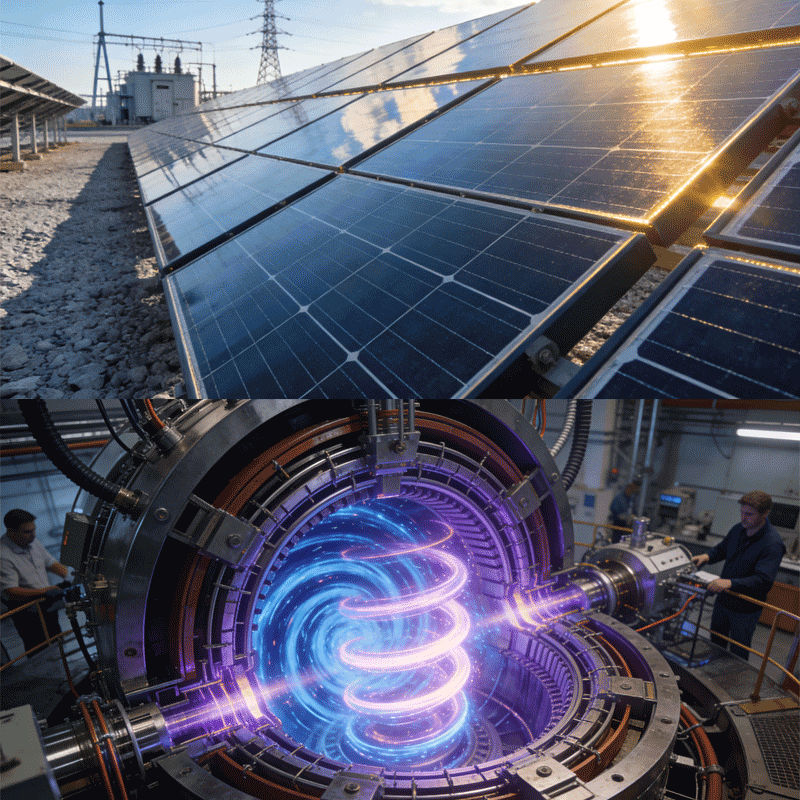
Solar Energy vs. Nuclear Fusion: Is Solar Still Necessary After Fusion Commercialization?
As the world races toward carbon neutrality, two transformative clean energy technologies have emerged as front-runners: solar energy and nuclear fusion. Solar energy has already established itself as a mainstream, accessible renewable resource, while nuclear fusion—often hailed as the “holy grail” of energy—promises near-unlimited, emissions-free power if commercialized. This raises a critical question: If nuclear fusion becomes commercially viable, will solar energy lose its purpose, or will it remain an essential part of the global energy mix? The answer lies in understanding the unique strengths, limitations, and complementary roles of both technologies.
Nuclear Fusion: The Ultimate Energy Promise (and Its Challenges)
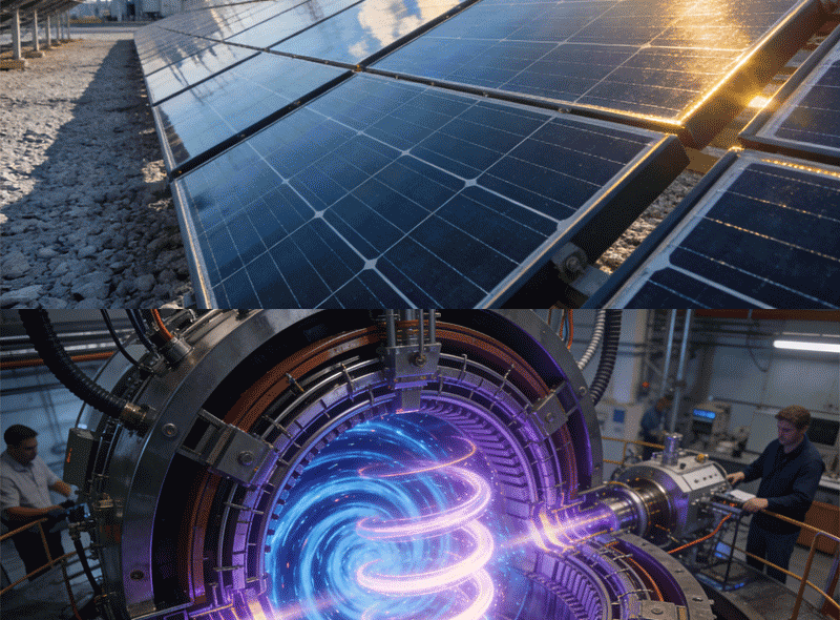
Nuclear fusion, the process that powers the sun and stars, involves fusing light atomic nuclei (such as deuterium and tritium, extracted from seawater) to release massive amounts of energy. Unlike nuclear fission, it produces no long-lived radioactive waste, emits zero carbon dioxide, and has a near-infinite fuel supply—1 liter of seawater contains enough deuterium to generate energy equivalent to 300 liters of gasoline. Proponents argue that commercial fusion could solve the world’s energy crisis, providing constant, baseload power to meet global demand without relying on fossil fuels.
However, fusion’s commercialization remains a distant goal. Despite recent breakthroughs—such as China’s EAST device achieving 1066 seconds of steady-state operation at 100 million degrees Celsius—the technology faces enormous engineering and economic hurdles. Current fusion reactors require extreme temperatures and pressure to sustain fusion reactions, and scaling this technology to commercial levels will take decades. Even if fusion becomes viable by 2050, as many experts predict, it will require massive upfront investment, with commercial plants likely costing billions of dollars to build.
Solar Energy: Unmatched Accessibility and Flexibility
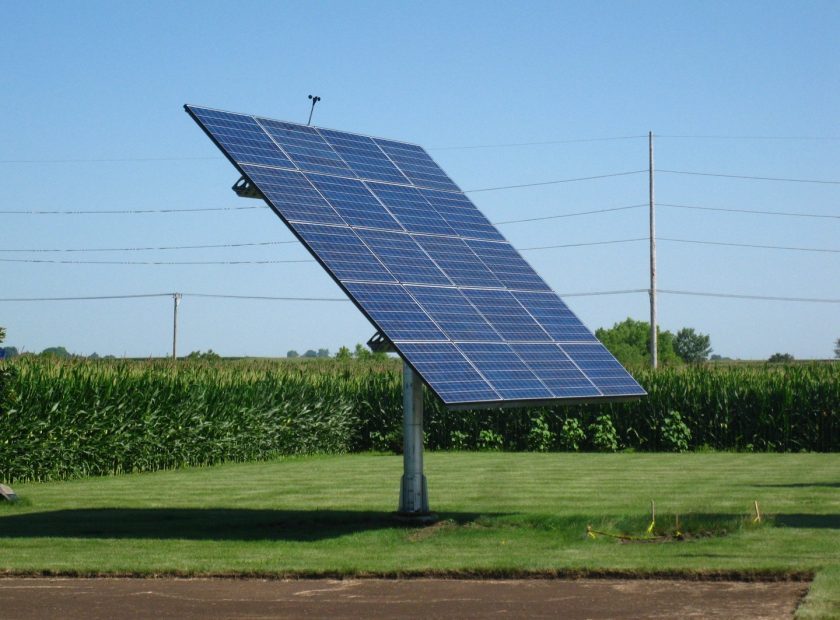
Solar energy, by contrast, is already a proven, scalable solution. Photovoltaic (PV) panels convert sunlight directly into electricity, with technology that has matured dramatically over the past decade—costs have dropped by over 80%, and efficiency continues to rise, especially with advanced solar tracking technoloty. Unlike fusion, solar energy requires no rare or exotic materials, no extreme operating conditions, and can be deployed at any scale: from small rooftop systems for homes to gigawatt-scale solar farms in deserts.
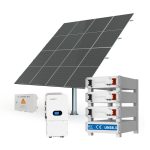
One of solar’s greatest advantages is its accessibility. It can be installed in remote regions with no access to the grid, providing power to communities that would otherwise rely on diesel generators. Solar-plus-storage systems, which pair PV panels with battery storage, have also addressed solar’s biggest limitation—intermittency. In 2024, China alone installed 78 GW of new battery storage capacity, mostly paired with solar, allowing for round-the-clock power delivery and reducing grid dependence. These systems are becoming increasingly cost-effective, with lithium-ion battery prices dropping 40% year-on-year in some markets.
Why Solar Energy Remains Indispensable—Even With Fusion
Even if nuclear fusion becomes commercialized, solar energy will remain a critical part of the global energy mix for three key reasons. First, deployment speed: solar projects can be built in months, while fusion plants will take a decade or more to construct. As the world faces an urgent climate crisis, solar’s ability to quickly scale up and reduce emissions is irreplaceable.
Second, flexibility and resilience. Fusion plants will likely be large, centralized facilities, making them vulnerable to natural disasters or cyberattacks. Solar, by contrast, is distributed—rooftop panels and small-scale solar farms reduce reliance on a single power source, enhancing grid stability and resilience during emergencies. For example, during heatwaves or natural disasters, solar-plus-storage systems can provide emergency power to hospitals, homes, and critical infrastructure when the grid fails.
Third, economic and geographic compatibility. Fusion plants will require specific geographic conditions (such as access to large water supplies for cooling) and will be concentrated in developed regions with the financial resources to build them. Solar, however, works anywhere with sunlight—from deserts to urban rooftops—and can be deployed in developing countries with limited capital, helping bridge the energy access gap. Additionally, solar’s low operational costs (after installation) make it more affordable for households and small businesses than fusion power, which will likely have high upfront costs even after commercialization.
Complementary, Not Competitive: The Future Energy Mix
The future of clean energy is not a choice between solar and fusion—it is a partnership. Fusion will excel at providing reliable baseload power to meet constant energy demand, while solar will complement it by supplying peak power during the day, reducing strain on fusion plants. Solar’s distributed nature will also support grid decarbonization in areas where fusion plants are not feasible, such as remote communities or dense urban environments.
Moreover, solar energy will continue to evolve alongside fusion. Advances in PV efficiency, solar tracker technology, energy storage, and smart grid integration will make solar even more efficient and cost-effective, ensuring it remains a competitive option. For example, solid-state batteries, expected to roll out commercially in 2026, will offer higher energy density, further improving the performance of solar-plus-storage systems.
In conclusion, nuclear fusion’s commercialization will be a landmark achievement for clean energy, but it will not render solar energy obsolete. Solar’s accessibility, flexibility, speed of deployment, and economic viability make it an indispensable part of the global energy transition—both in the decades leading up to fusion’s widespread adoption and long after. Together, solar energy and nuclear fusion will work in tandem to create a sustainable, reliable, and equitable energy future for all.