


Simple Setup Without Compromising Waterproofing Rooftop Solar Installation
When considering renewable energy for your home or business, the appeal of rooftop solar is undeniable. However, property owners often worry about two main factors: the complexity of the installation process and the potential risk to their roof’s integrity. The good news is that modern solar technology has evolved to address these exact concerns. Today’s installations are designed to be remarkably simple while prioritizing the absolute protection of your roof’s waterproofing system.
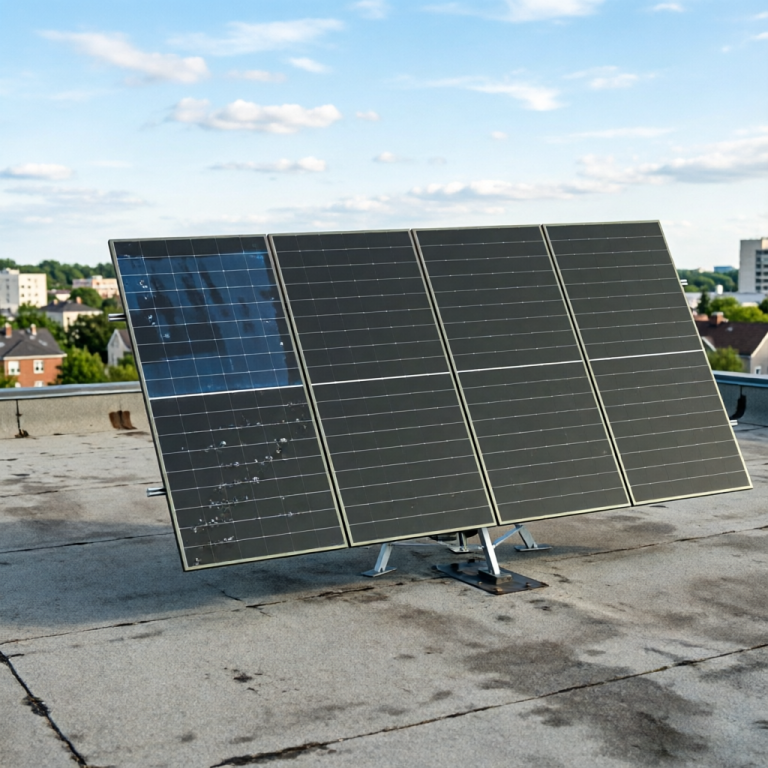
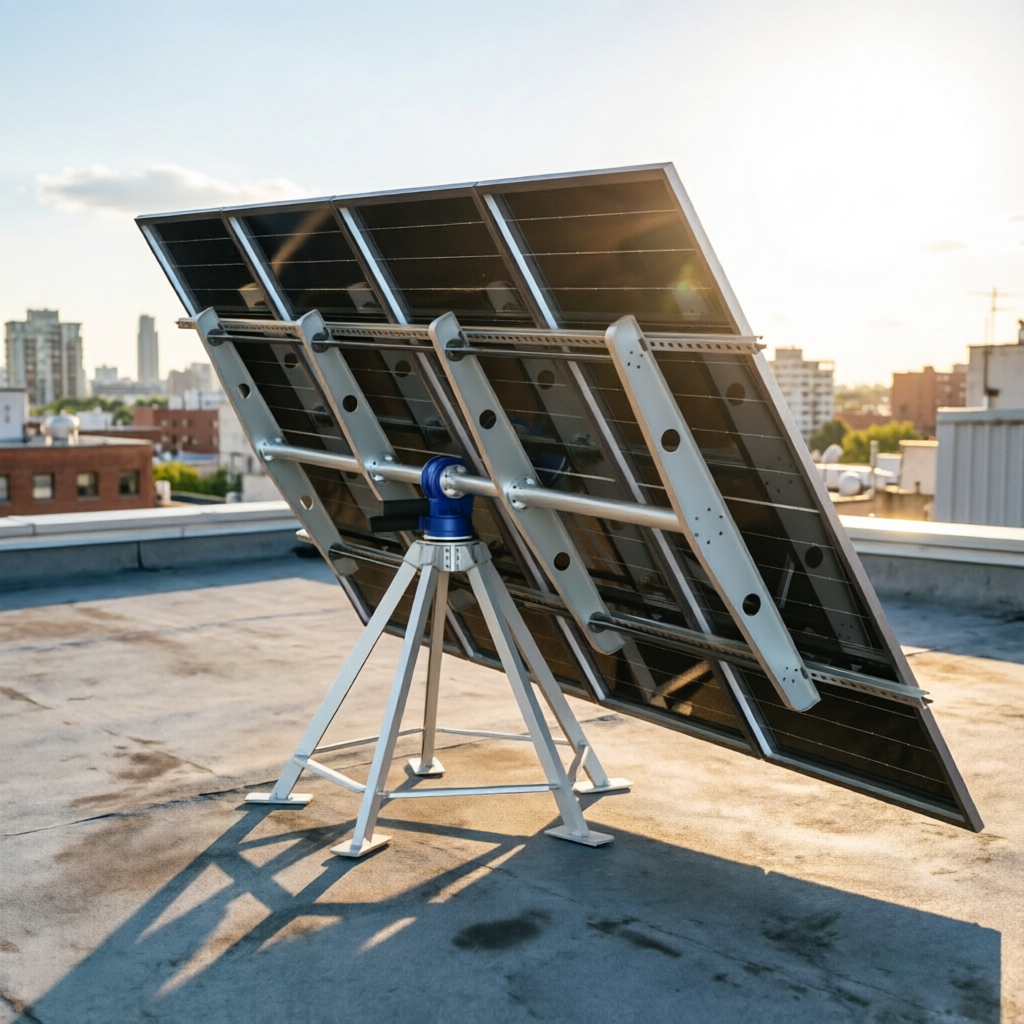
One of the most significant advancements in this area is the use of a ballast solar tracker on rooftop setups, particularly for flat or low-slope roofs. Unlike traditional methods that require drilling numerous holes through the roofing membrane—which can lead to leaks over time—ballasted systems rely on weight rather than penetration. These systems use concrete blocks or specialized weighted trays to secure the mounting framework directly to the roof surface. Because there are no structural penetrations required for the base mounts, the existing waterproof layer remains completely intact. This not only simplifies the installation process but also provides peace of mind that your building will remain dry and protected against the elements.
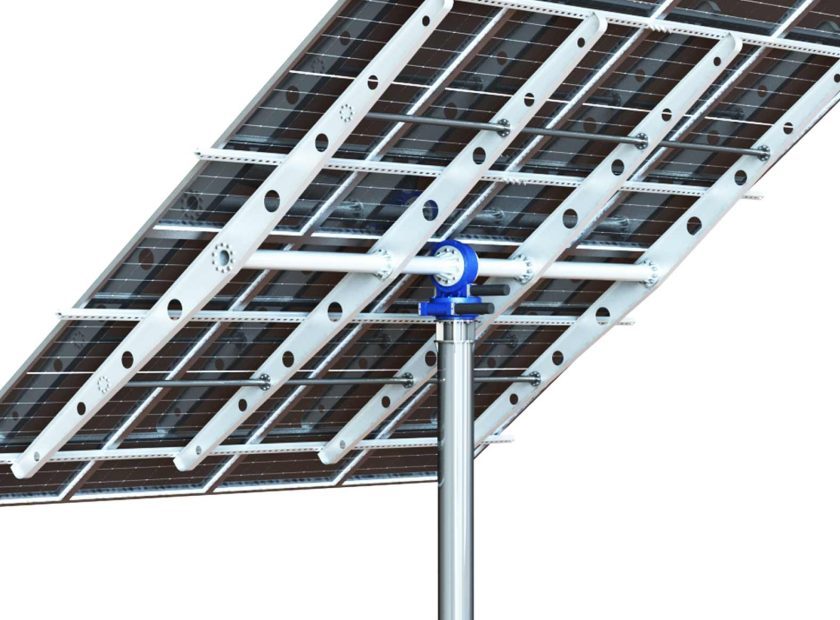
Beyond waterproofing, simplicity is a hallmark of contemporary solar deployment. A well-planned ballasted system allows for rapid assembly. Since contractors do not need to spend hours sealing flashings or waiting for adhesives to cure, the overall installation timeline is significantly reduced. Furthermore, when integrating a tracking mechanism into a ballasted setup, the system can automatically adjust the angle of the panels throughout the day to capture maximum sunlight. While traditional fixed-tilt systems might require complex structural calculations to optimize seasonal angles, a ballast solar tracker on rooftop configuration takes the guesswork out of orientation. It ensures optimal energy production without requiring invasive modifications to the building’s architecture.
However, even with non-penetrating systems, proper planning is essential. Before installation, a professional assessment should always be conducted to ensure the roof structure can handle the additional dead load of the ballasts and the dynamic forces of wind. Additionally, careful attention must be paid to water management around the weighted bases. Installers must position the ballasts so they do not obstruct natural drainage paths or create pooling areas on the roof. Proper spacing also facilitates airflow beneath the panels, which helps keep the modules cool and extends their lifespan.
Ultimately, going solar shouldn’t mean risking your property. By utilizing innovative, non-penetrating solutions like a ballast solar tracker on rooftop, you can enjoy a streamlined installation experience and superior energy generation. This approach perfectly balances ease of setup with rigorous waterproofing standards, making it an ideal choice for commercial buildings, warehouses, and residential homes with flat roofs. As solar technology continues to advance, homeowners and facility managers can confidently embrace clean energy knowing their roofs are safe, secure, and leak-free.